Once upon a time, owning a car meant freedom. It meant road trips, independence, and blasting your favorite playlist with the windows down. But in 2025, that dream has started to come with a hefty price tag—and not just at the dealership. Between rising insurance rates, fluctuating gas prices, unpredictable maintenance costs, and the growing availability of alternatives like ride-shares and electric scooters, a lot of people are starting to ask: Is owning a car still worth it? The answer isn’t so clear-cut anymore.
Let’s take a look at what it really means to own a car in 2025—and whether it gives you freedom or just financial friction.
The Cost of Ownership Keeps Climbing
The sticker price of a car is just the beginning. In 2025, the cost of ownership has ballooned. Insurance premiums have spiked, especially for younger drivers. Maintenance costs have gone up due to supply chain issues and higher labor rates. Even electric vehicles, while cheaper to “fuel,” come with expensive batteries and software updates that aren’t exactly pocket change. When you add it all up, your car might be costing you thousands more per year than you expected.
Convenience Still Matters (Depending on Where You Live)
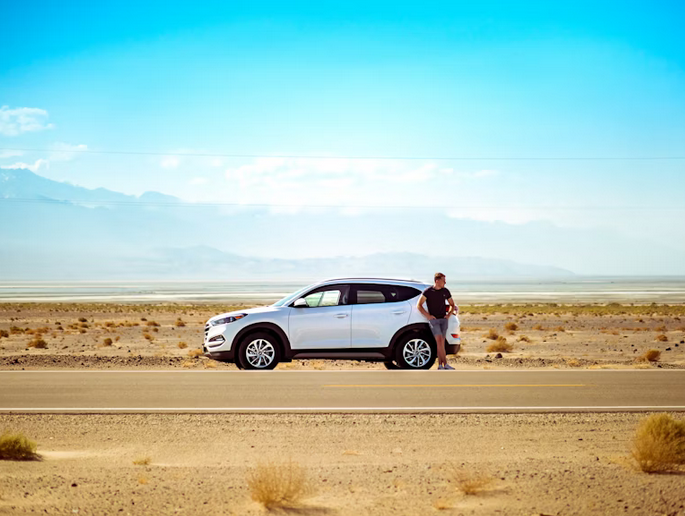
If you live in a suburban or rural area, a car is often a necessity. Public transportation may not be reliable—or even available. For many people, owning a car is still the only way to get to work, take kids to school, or do a grocery run. But in major cities, where public transit, bike lanes, and ride-share options are abundant, the value of car ownership becomes a lot murkier. In some places, a car can feel more like a burden than a benefit.
The Rise of Alternative Transportation
In the past few years, we’ve seen an explosion of alternatives to traditional car ownership. Car-sharing services let you rent by the hour. E-bikes and scooters are everywhere. And with ride-hailing apps getting smarter and more efficient, it’s easier than ever to get around without dealing with parking, insurance, or repairs. For people who don’t drive every day, these options can be significantly cheaper—and a lot less stressful.
Environmental Concerns Are Shaping Decisions
More people are factoring sustainability into their transportation choices. Even though EVs are on the rise, manufacturing and charging them still have environmental impacts. Meanwhile, cities are investing in greener infrastructure and pushing policies to reduce car dependency. For those who want to reduce their carbon footprint, car-free or low-car lifestyles are starting to look more appealing—and more realistic—than ever.
Resale Value Isn’t What It Used to Be
In the past, your car might have been considered an asset. Now? It’s often a depreciating liability. Even with the popularity of used cars in some markets, new vehicles lose value fast, especially as tech evolves. Features that seem cutting-edge today (like autonomous driving assistance or smart dashboards) may be outdated in just a few years, and that means your car’s value could drop faster than you think.
Owning a car in 2025 isn’t a one-size-fits-all decision. For some, it’s still a ticket to freedom, flexibility, and peace of mind. For others, it’s an expensive, high-maintenance relic of the past. The key is to weigh your lifestyle, location, budget, and values—and to be honest about whether you need a car or just assume you do.